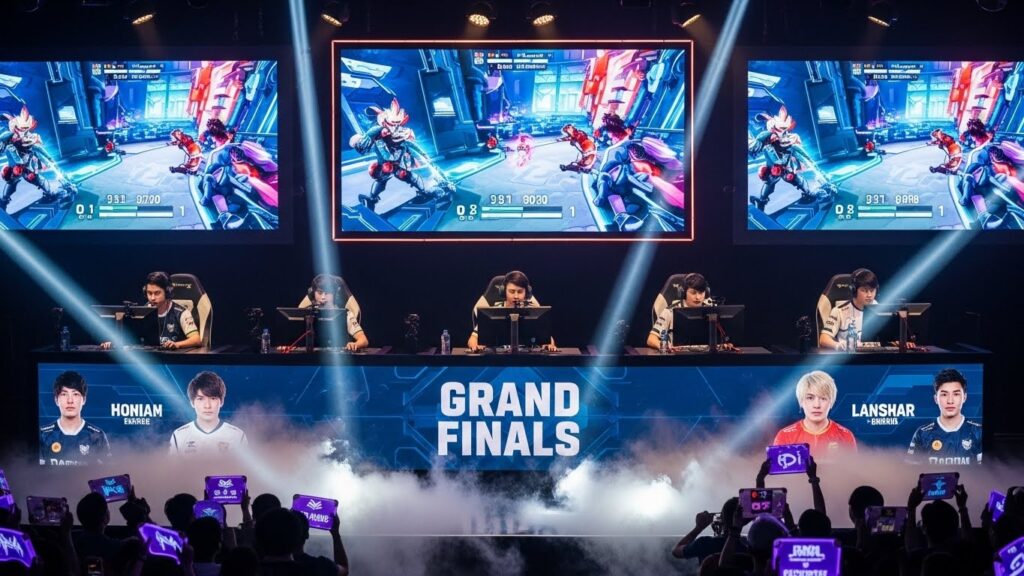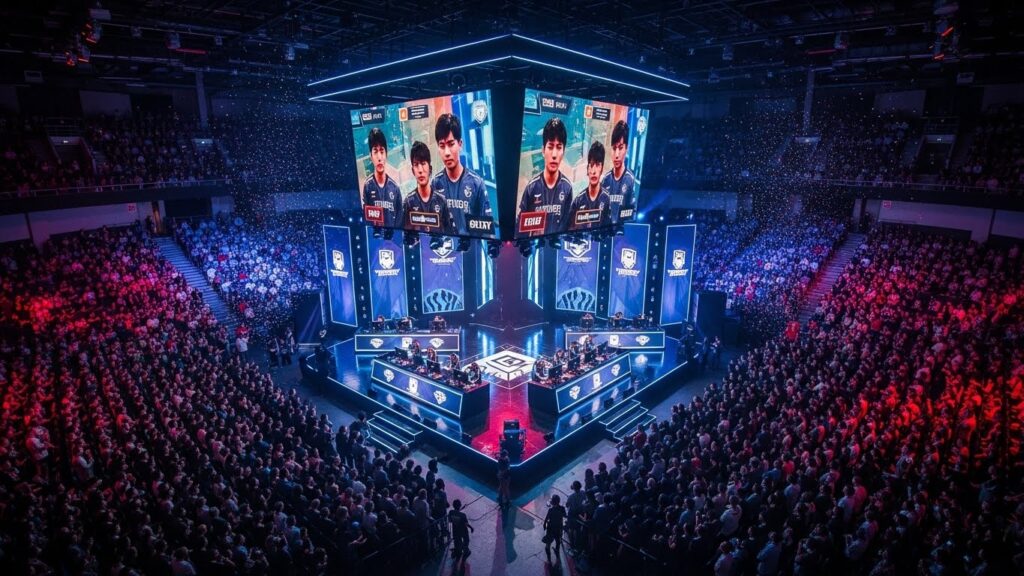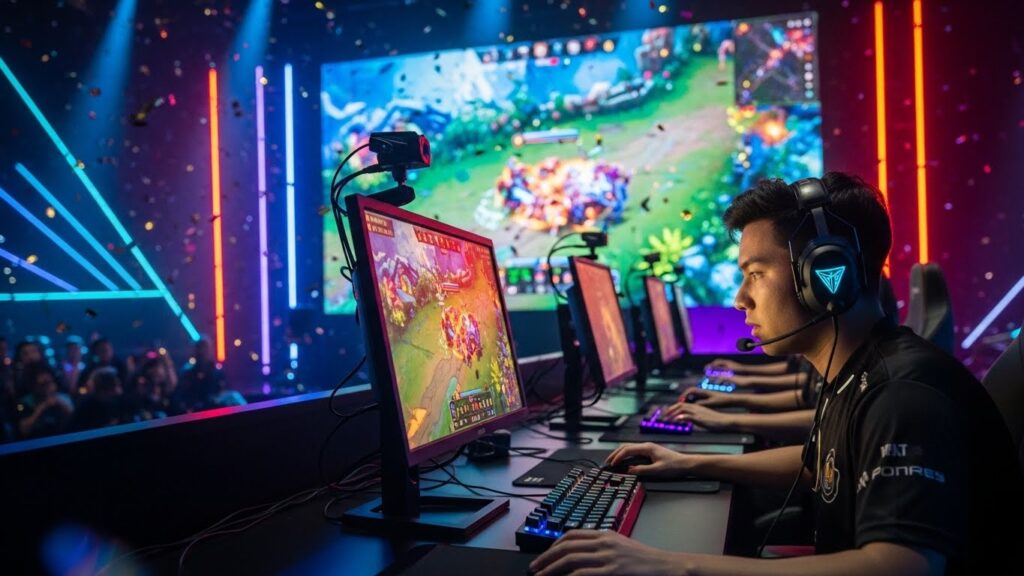
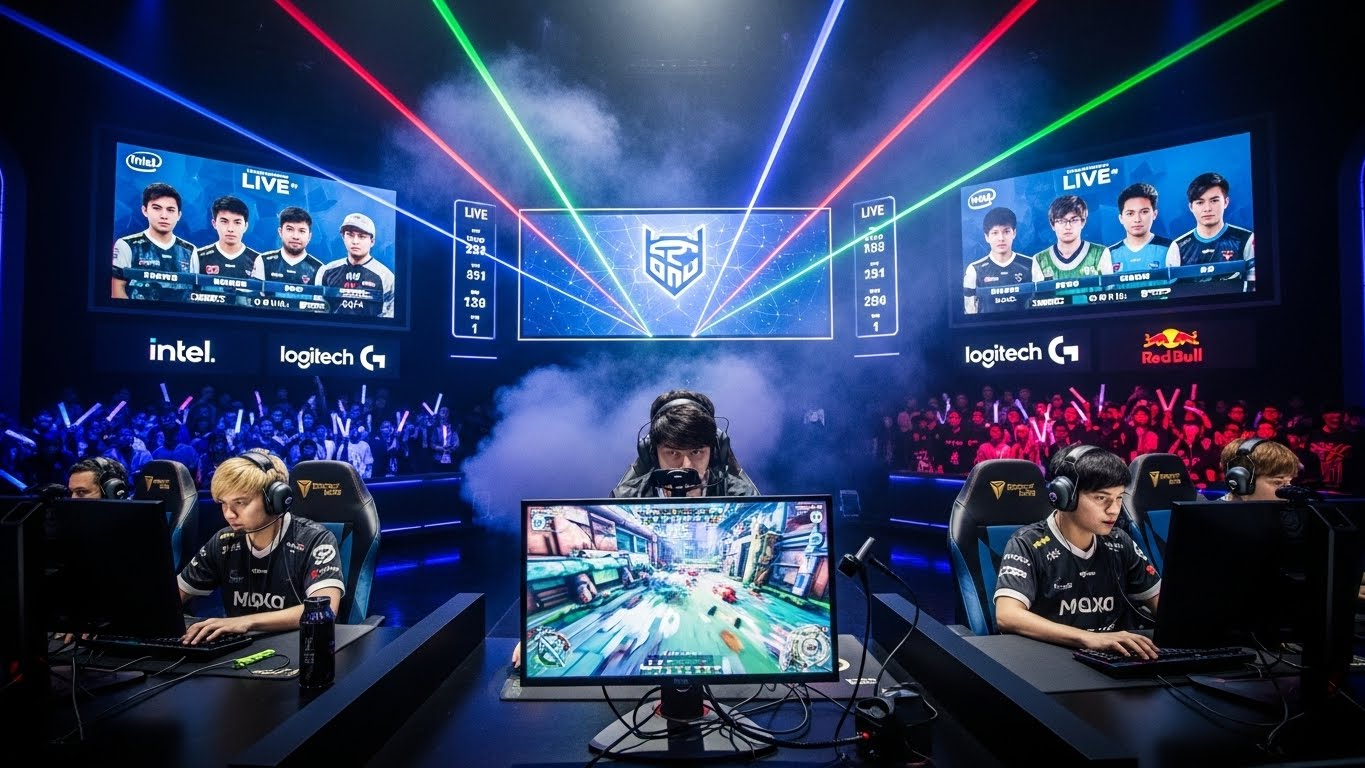
Esports, once a niche pastime tucked away in underground gaming cafes, has evolved into a global phenomenon commanding millions of viewers, colossal prize pools, and mainstream recognition. What was once the domain of hobbyists has transformed into a booming industry with professional athletes, dedicated training facilities, and worldwide tournaments rivaling traditional sports. This blog post explores how esports rose to power, why it has captured the imagination of a new generation, and what the future holds for this rapidly expanding digital battlefield.
The Rise of Esports: From Hobby to Profession
In the early days of video gaming, competition existed but was rarely organized or commercialized. Gamers connected through local area networks or small club events, primarily for fun and bragging rights. As internet infrastructure strengthened and online gaming flourished, players from across the globe could compete without physical boundaries. This shift laid the foundation for formal tournaments.
Over the past decade, esports has transitioned from an informal activity to a full-fledged professional sport. Entire leagues have formed around titles such as League of Legends, Counter-Strike, Dota, Valorant, and FIFA. These structured environments provided consistency and legitimacy, attracting both audiences and investors.
Companies began recognizing the value of this emerging market. Sponsorships, team branding, merchandise, and streaming deals poured in, giving players the resources to pursue gaming as a legitimate career. Esports organizations now operate much like football or basketball teams, complete with coaches, analysts, nutritionists, and marketing teams.
A Thriving Global Community
One of the most distinctive features of esports is its inclusivity. Unlike traditional sports, which often require access to expensive facilities or particular physical attributes, esports is accessible to anyone with a computer, console, or mobile device. This accessibility has created a diverse global community united by competition and passion.
In Southeast Asia, mobile esports are soaring thanks to widespread smartphone adoption. In North America and Europe, PC and console gaming dominate. South Korea is often credited as the birthplace of modern esports, where professional gaming carries the same prestige as other mainstream sports.
Fans are not merely spectators but active participants. Communities form around specific games, teams, and even individual players. Online forums, social platforms, and streaming sites allow fans to interact with athletes in ways that are rarely possible in traditional sports. This connection fuels engagement and deepens loyalty.
The Economics and Growth of the Industry
Esports is no longer just about entertainment; it’s a business powerhouse. The industry generates revenue through sponsorships, media rights, advertising, tournament winnings, in-game purchases, and merchandise. Major corporations invest heavily, recognizing esports audiences as young, tech-savvy, and loyal.
Streaming platforms play a huge role in this economic expansion. Content creators and professional players often broadcast their gameplay, attracting millions of viewers daily. This exposure offers brands unique advertising opportunities that traditional sports cannot match.
Prize pools for large tournaments rival or even surpass those of established sports. The competitive scene for many games includes world championships that draw massive viewership numbers. The success of such events demonstrates the immense potential and profitability of digital sports.
Training Like a Champion: Inside an Esports Athlete’s Life
The stereotype of a gamer lounging in a dark room has disappeared. Today’s esports athletes undergo rigorous training similar to traditional sports professionals. Their routines include hours of gameplay, team strategy meetings, fitness sessions, mental health support, and diet planning.
Reaction time, strategic thinking, communication, and endurance are crucial. Esports players must master both mechanical skill and tactical awareness. To remain competitive, they train for long periods, analyze opponents, and continuously adapt to new strategies introduced by game updates.
The pressure is immense, as careers can be short-lived. Younger players often dominate, and the physical and mental strain of constant competition demands discipline and resilience.
The Role of Technology in Shaping Esports
Esports thrives on innovation. Advances in artificial intelligence, graphics engines, cloud services, and virtual reality shape the way games are played and watched. Faster internet speeds allow seamless global participation, and evolving hardware makes gaming more accessible.
Broadcast technology has also enhanced the viewing experience. Spectators enjoy multiple camera angles, in-game analytics, live commentary, and real-time replays. These features make esports events engaging even for audiences unfamiliar with the games.
As technology continues advancing, new genres and platforms emerge. Mobile esports are rapidly expanding, especially in regions where high-performance computers are less common. Cross-platform play enables wider participation, dismantling old barriers between console and PC players.
Esports in Education and Career Development
Esports is carving a place in education as well. Schools and universities worldwide now offer scholarships for esports athletes, similar to traditional sports programs. Competitive gaming clubs and collegiate leagues provide structured environments for students to develop teamwork, leadership, and discipline.
Beyond playing, the esports industry offers career paths in coaching, broadcasting, content creation, event management, marketing, and game design. For many young people, esports fosters skills that extend far beyond the screen, helping them build futures in technology-driven fields.
Cultural Impact and Mainstream Acceptance
The cultural influence of esports is undeniable. It has reshaped entertainment, inspired fashion trends, and influenced music and digital art. Gaming iconography appears in films, advertisements, and social media, demonstrating its widespread cultural footprint.
Traditional sports organizations have taken notice. Many football, basketball, and baseball teams have created esports divisions to connect with younger audiences. Collaborations between athletes from both worlds blur the lines between physical and digital competition.
Esports stars enjoy celebrity status, with millions of followers and brand partnerships. Their influence mirrors that of other entertainment icons, and their impact continues to grow as digital culture dominates modern lifestyles.
Challenges Facing the Esports Industry
Despite its growth, esports faces several challenges. Player burnout is common due to intense schedules and mental stress. Maintaining a stable career can be difficult, as teams frequently restructure and games may decline in popularity.
Regulation presents another challenge. Unlike traditional sports governed by long-standing organizations, esports competitions often vary by game publisher. This lack of standardization can cause inconsistencies in rules, player rights, and tournament structure.
There are also concerns about inclusivity, online toxicity, and the need for healthier competitive environments. As the industry matures, addressing these issues becomes essential to its longevity and reputation.
The Future of Esports: What Lies Ahead
Esports shows no signs of slowing down. As technology continues to advance, new opportunities emerge. Virtual reality competitions may become mainstream, offering even more immersive experiences. Augmented reality could bring interactive elements to live events, blending digital and physical environments.
Esports may also become a staple in global sporting events. Discussions about its inclusion in large-scale competitions reflect its rising legitimacy. As more governments and institutions recognize esports as an official sport, infrastructure and support are likely to grow.
Another promising direction is the expansion of grassroots esports. As more schools, communities, and organizations embrace competitive gaming, the talent pool widens. This shift not only strengthens the industry but also inspires more young people to explore gaming careers.
Conclusion: A New Era of Competitive Entertainment
Esports is far more than a trend; it is a revolution in how the world understands competition, entertainment, and community. Its rise reflects the digital transformation of society and the power of technology to connect people across cultures and continents.
Whether you are a dedicated gamer, a casual spectator, or someone curious about the evolving world of digital sports, esports offers something for everyone. It represents the future of entertainment—dynamic, interactive, and limitless in potential.
As the digital arena continues to expand, one thing is clear: esports is here to stay, and it is only just beginning.